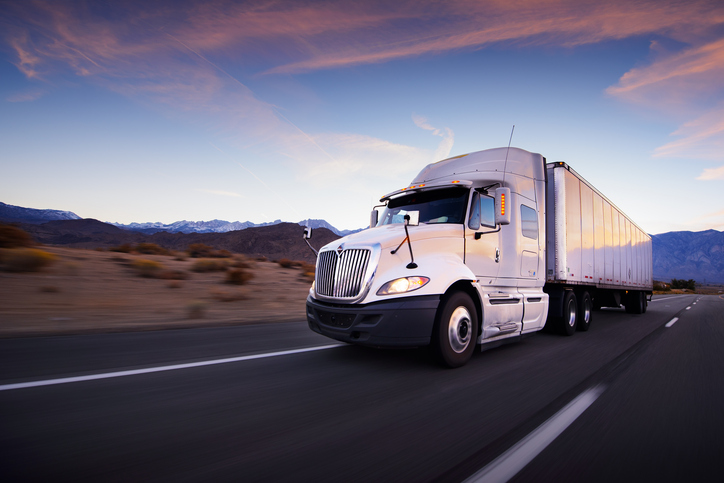

California moves more freight than any other state in the nation—and that dominance comes with consequences. With major ports, agricultural corridors, and dense urban distribution routes, California’s roadways carry a disproportionate share of commercial truck traffic. As a result, the state has also seen heightened legal scrutiny surrounding truck-related crashes that cause severe or life-altering injuries.
In recent years, courts, regulators, and plaintiffs’ attorneys have increasingly focused on whether trucking companies operating in California are meeting their heightened safety obligations—or cutting corners to meet delivery demands.
California’s Unique Regulatory Pressure on Trucking
Unlike many states, California layers its own regulatory framework on top of federal trucking rules. While commercial carriers must comply with the Federal Motor Carrier Safety Administration (FMCSA), they are also subject to enforcement by the California Highway Patrol (CHP) and the California Department of Motor Vehicles.
California’s adoption of stricter emissions standards, inspection programs, and labor classifications has intensified oversight of trucking operations statewide. CHP’s Biennial Inspection of Terminals (BIT) program, for example, allows state officials to review maintenance records, driver qualifications, and hours-of-service compliance at carrier facilities—sometimes uncovering violations long before a crash ever occurs.
When a serious collision happens, those records often become central evidence.
Aggressive Scheduling and Hours-of-Service Violations
One of the most common allegations in California truck injury cases involves driver fatigue. Despite federal hours-of-service limits, enforcement actions have repeatedly shown that logbook violations and manipulated electronic logging devices remain a problem, particularly in high-volume freight corridors.
California courts have demonstrated little tolerance for carriers that pressure drivers to meet unrealistic delivery windows—especially when fatigue plays a role in catastrophic injuries. In civil litigation, hours-of-service violations can support claims not only against drivers, but against employers for negligent supervision and systemic safety failures.
Urban Density Raises the Stakes
Nowhere are the risks more pronounced than in California’s major metropolitan areas. Dense traffic, constant construction, narrow lanes, and aggressive commuting patterns leave little room for error when large commercial trucks are involved.
The National Highway Traffic Safety Administration has consistently reported that truck-involved crashes in urban areas are more likely to result in serious injuries, particularly to occupants of smaller vehicles. These injuries often include traumatic brain injuries, spinal damage, crushed extremities, and internal organ trauma—conditions that carry lifelong consequences and significant economic damages.
From a legal standpoint, the severity of these injuries frequently elevates cases into high-exposure litigation.
Expanded Liability Under California Law
California law allows injured parties to pursue claims that go beyond simple driver negligence. Employers may be held liable under respondeat superior, but also independently liable for negligent hiring, retention, and training.
California’s pure comparative negligence system further complicates truck injury cases. Even when multiple parties share fault—including other drivers or third-party contractors—injured plaintiffs may still recover damages proportional to each defendant’s responsibility.
In practice, this often results in complex, multi-defendant litigation involving carriers, insurers, logistics companies, and maintenance providers.
Safety Violations as Litigation Leverage
Regulatory violations carry particular weight in California courts. Evidence of CHP citations, failed terminal inspections, or FMCSA compliance failures can significantly strengthen injury claims. In some cases, repeated violations may even support punitive damage arguments if a pattern of disregard for public safety can be established.
This has made documentation—maintenance logs, inspection reports, internal communications—one of the most aggressively contested aspects of truck injury litigation in the state.
A Legal Environment That Rewards Accountability
California’s legal climate increasingly reflects a broader policy goal: forcing commercial carriers to internalize the true cost of unsafe practices. For injured individuals, this means courts are often receptive to arguments grounded in regulatory noncompliance and corporate responsibility rather than isolated driver error.
As enforcement tightens and injury claims grow more sophisticated, discussions surrounding Truck accident injuries in San Francisco are less about isolated crashes and more about whether trucking operations are meeting the legal and ethical standards required to operate on California roads.